
The Benefits of Bhedailota (Paederia foetida)
Heramba Nath
In the rural landscape of Assam and many parts of Northeast India, nature has always played a central role in shaping food habits, healthcare practices, and daily living. For centuries, indigenous communities have relied on the rich biodiversity of their surroundings to meet their nutritional and medicinal needs. Among the many indigenous edible plants that have sustained generations, Paederia foetida, commonly known as Bhedailota, occupies a significant place. Though often overlooked due to its strong and somewhat unpleasant smell, this climbing vine is a treasure trove of medicinal, nutritional, and agricultural benefits that deserve wider recognition and appreciation.
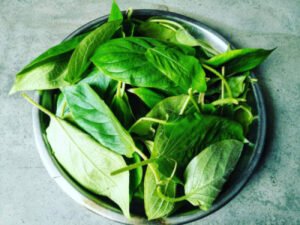
Bhedailota is a perennial climbing plant that grows abundantly in wild and semi-wild conditions. It is commonly found twining around trees, fences, and shrubs near homesteads and forest edges. The leaves are green, soft, and oval-shaped, and when crushed, they emit a distinctive odour, which has led to its English nickname “stink vine.” The plant produces small, tubular flowers and tiny round fruits, completing its life cycle across seasons. However, beyond this characteristic smell lies a plant of immense traditional and scientific value that has been cherished by rural communities for generations.
One of the most well-known benefits of Bhedailota is its remarkable effectiveness in improving digestion. For generations, rural communities have used this plant as a natural remedy for gastrointestinal problems such as indigestion, bloating, gas, and constipation. The leaves are often boiled or cooked into simple dishes, and regular consumption is believed to help cleanse the digestive system and maintain a healthy gut. Modern studies have also suggested that the plant contains bioactive compounds that stimulate digestive enzymes and promote gut health. Scientific research has identified the presence of alkaloids, flavonoids, and tannins in the plant, which collectively contribute to its digestive properties. Regular use of Bhedailota as part of the daily diet is believed to prevent common stomach ailments and improve overall gastrointestinal health.
Another important property of Bhedailota is its powerful role in enhancing the body’s immune system. The plant is rich in antioxidants, which help neutralise harmful free radicals in the body. These antioxidants play a crucial role in protecting cells from damage and reducing the risk of chronic diseases such as diabetes, heart disease, and certain types of cancer. In times of seasonal illnesses such as colds, coughs, and mild fevers, traditional households often prepare soups or decoctions using Bhedailota leaves, believing it strengthens the body’s natural defence mechanisms. The presence of Vitamin C and other essential micronutrients in the plant further supports its role in boosting immunity and maintaining overall health and vitality.
Bhedailota also possesses notable anti-inflammatory properties that have been recognised and utilised in traditional medicine for centuries. It is commonly used to alleviate joint pain, arthritis, rheumatism, and swelling. The leaves may be consumed as food or applied externally after being slightly heated, providing effective relief from inflammation and discomfort. Scientific studies have confirmed the presence of compounds in Paederia foetida that inhibit inflammatory pathways in the body, validating its traditional use. This makes it especially valuable in rural settings where access to modern medical facilities and pharmaceutical medicines may be limited or financially difficult.
In addition to its anti-inflammatory effects, Bhedailota exhibits significant antibacterial and antifungal properties. These qualities make it highly useful in treating minor skin conditions such as rashes, itching, wounds, cuts, and fungal infections. The crushed leaves or extracted juice can be applied to the affected areas as a natural remedy, a practice that has been passed down through generations in rural households. Laboratory studies have shown that extracts of Paederia foetida demonstrate inhibitory activity against several common bacterial and fungal strains, supporting the traditional knowledge surrounding this plant. Its use as a natural antiseptic makes it a valuable first-aid resource in remote and rural communities.
From a nutritional perspective, Bhedailota contributes essential vitamins and minerals to the diet. The plant is a rich source of Vitamin C, Vitamin A, calcium, iron, and dietary fibre, all of which are vital for maintaining good health. It is often included in traditional Assamese cuisine, where it is prepared as a vegetable dish, mixed with pulses, or cooked with fish. These preparations not only enhance the flavour of meals but also provide important nutrients that support bone health, blood circulation, vision, and overall physical well-being. The inclusion of Bhedailota in daily meals is a simple and effective way to enrich nutritional intake, particularly for rural families who may not have access to a wide variety of foods.
Traditional healers and practitioners of indigenous medicine have long recognised the benefits of Bhedailota for liver and kidney health. The plant is believed to support liver function by promoting detoxification and protecting liver cells from damage caused by toxins and oxidative stress. Its diuretic properties also help in maintaining kidney health by promoting the elimination of waste products and excess fluids from the body. Regular consumption of Bhedailota in moderate quantities is considered beneficial for individuals suffering from mild liver disorders and urinary tract issues, although medical consultation is always advisable for serious conditions.
Bhedailota has also been traditionally used to manage respiratory ailments. Decoctions prepared from its leaves have been used to relieve symptoms of asthma, bronchitis, and persistent coughs. The plant’s anti-inflammatory and antimicrobial properties are believed to soothe the respiratory tract and reduce congestion. In rural households, a warm soup made from Bhedailota leaves is a common home remedy during the winter months, providing comfort and relief from respiratory discomfort. This traditional practice reflects the deep understanding that indigenous communities have developed over generations regarding the healing properties of local plants.
An equally important but often less discussed aspect of Bhedailota is its remarkable suitability for cultivation in rural areas. Although it grows naturally in the wild, this plant can be easily cultivated with minimal effort and resources, making it highly beneficial for village households. Bhedailota thrives in moist, well-drained soil and prefers a warm and humid climate, conditions that are commonly and abundantly found in Assam and across Northeast India. It can be propagated through stem cuttings or allowed to spread naturally along fences, trees, or bamboo structures, requiring no advanced agricultural techniques or expensive inputs.
One of the key advantages of cultivating Bhedailota is its exceptionally low maintenance requirement. With basic care such as occasional watering and weeding, the plant grows vigorously throughout the year. As a climbing vine, it benefits from simple support systems like fences or trellises, which help it spread efficiently and produce a larger and more consistent quantity of leaves for household use.
In rural households, Bhedailota can be conveniently grown in kitchen gardens alongside other vegetables. This ensures a steady and fresh supply for daily consumption, reducing dependence on market-bought produce and encouraging self-sufficiency among rural families. The ease of cultivation and the multiple uses of the plant make it an ideal addition to any home garden. Furthermore, with the growing awareness of herbal and traditional medicine both within India and internationally, Bhedailota also holds considerable economic potential. Villagers can cultivate it on a larger scale and sell it in local markets, herbal medicine shops, and even to pharmaceutical companies researching plant-based medicines, thereby generating a meaningful additional source of income. The development of value-added products such as herbal teas, dried leaf powders, and medicinal extracts from Bhedailota could further enhance its economic value and create new livelihood opportunities for rural communities.
Cultivating Bhedailota also plays a vital role in conserving biodiversity. By actively growing this indigenous plant, rural communities contribute to preserving a species that may otherwise decline due to changing lifestyles, deforestation, and environmental pressures. The conservation of indigenous plants like Bhedailota is not merely an agricultural or economic concern but is deeply connected to the preservation of cultural identity, traditional knowledge, and ecological balance. Every kitchen garden that includes Bhedailota becomes a small but meaningful step towards protecting the natural heritage of Assam and Northeast India.
Despite its numerous benefits, the use of Bhedailota and other indigenous edible plants is gradually declining, which is a matter of great concern. The influence of modern lifestyles, rapid urbanisation, and the increasing preference for processed and fast foods have led to a reduced dependence on traditional food sources. Younger generations, in particular, are becoming less familiar with such plants and their uses. This shift not only affects dietary diversity and nutritional health but also threatens the preservation of valuable traditional knowledge that has been carefully accumulated and passed down over centuries.
There is a growing and urgent need to revive interest in indigenous plants like Bhedailota. Promoting awareness through school education, community initiatives, cultural programmes, and integration into modern diets can help preserve this natural heritage. Government agencies, health organisations, and agricultural departments can play an important role by supporting research, promoting cultivation, and creating awareness about the benefits of such traditional plants. Encouraging its cultivation in home gardens and recognising its medicinal and economic value can ensure that future generations continue to benefit from this remarkable plant.
In essence, Bhedailota is far more than a simple wild plant growing unnoticed along fences and forest edges. It is a symbol of the deep and enduring connection between nature and human well-being, particularly in rural communities. Its wide-ranging medicinal properties, rich nutritional content, ease of cultivation, and economic potential make it an invaluable and multifaceted resource. By rediscovering, cultivating, and embracing such traditional plants, society can move towards a healthier, more sustainable, and self-reliant way of living. It is time to give Bhedailota the recognition it truly deserves and to ensure that this precious gift of nature is preserved, promoted, and passed on to future generations.