
Soaring food prices in Assam and the struggle of common people
Heramba Nath
The continuous rise in the prices of essential food items has emerged as one of the most serious economic and social concerns affecting the people of Assam in recent years. The sharp increase in the prices of rice, pulses, edible oil, vegetables, fish, meat, spices, milk products, and other daily necessities has created severe hardship for common households across both rural and urban areas of the state. Families that once managed their expenses with limited income are now finding it increasingly difficult to maintain even a basic standard of living. The burden of inflation has affected almost every section of society, but its impact is most deeply felt among low-income groups, daily wage earners, farmers, labourers, pensioners, unemployed youth, and lower middle-class families.
Food is the most fundamental requirement of human life. When the prices of essential food items rise uncontrollably, the consequences go beyond economics and directly affect nutrition, health, education, social stability, and overall quality of life. In Assam, where a significant portion of the population depends on agriculture, small-scale trade, and informal labour sectors, the rising cost of food has become a matter of public concern. In many households, people are forced to reduce the quantity and quality of food they consume. Parents struggle to provide nutritious meals for their children, while elderly people and economically weaker families face increasing uncertainty about daily survival.
The issue of rising food prices is not entirely new, but the present situation appears more alarming because of the rapid and sustained increase in the prices of multiple commodities at the same time. Rice, which is the staple food of Assam, has witnessed noticeable price hikes over the years. Different varieties of rice that were once affordable have become expensive for ordinary consumers. Similarly, pulses such as masur dal, moong dal, and arhar dal have become costlier, making protein-rich food less accessible for many families. Edible oils, especially mustard oil and refined oils, have also experienced unprecedented price increases, adding pressure to household budgets.
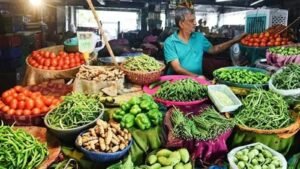
Apart from packaged commodities, the prices of fresh vegetables and perishable food items fluctuate sharply depending on season, transportation costs, weather conditions, and market supply. Vegetables such as potatoes, onions, tomatoes, green chillies, brinjal, cabbage, cauliflower, and beans often witness sudden price rises, creating difficulties for consumers. Fish and meat, which are important components of Assamese food culture, have also become significantly more expensive. Even eggs and milk products are no longer easily affordable for economically weaker sections.
The rise in food prices affects not only urban consumers but also rural communities. Although villages are traditionally associated with agricultural production and local food availability, rural families are equally suffering from inflation. Many farmers themselves have to buy essential commodities from markets, and increased prices reduce their purchasing power. Furthermore, rising costs of seeds, fertilisers, pesticides, irrigation, transportation, and agricultural machinery have increased production expenses for farmers, indirectly contributing to higher market prices.
One of the major reasons behind rising food prices is inflation. Inflation refers to the overall increase in the prices of goods and services over time. When inflation rises, the purchasing power of money decreases, meaning people can buy fewer goods with the same income. In India, inflation is influenced by various domestic and global factors including fuel prices, transportation costs, import expenses, taxation policies, supply chain disruptions, and international market conditions. Since Assam is geographically distant from many major industrial and distribution centres of the country, transportation costs play a particularly important role in determining market prices within the state.
The increase in fuel prices directly affects food prices. When petrol and diesel become expensive, transportation costs rise significantly. Trucks carrying vegetables, grains, fish, and other commodities from one region to another require higher operational expenses. Traders and distributors ultimately transfer these additional costs to consumers. Assam’s dependence on road transportation for movement of goods further intensifies the impact of fuel price increases on daily commodities.
Natural disasters and climatic changes also contribute to rising food prices in Assam. The state frequently experiences floods, erosion, landslides, and irregular rainfall, which damage crops and disrupt agricultural activities. Floods destroy paddy fields, vegetable farms, fisheries, and transportation networks, leading to shortages in supply. When agricultural production declines, market prices naturally increase. Climate change has further made weather patterns unpredictable, affecting seasonal cultivation and food security.
Another important factor is the imbalance between demand and supply. When demand for food items increases but supply remains insufficient, prices rise. Population growth, urbanisation, changing consumption patterns, and increased dependence on market-based food systems have expanded demand for food commodities. However, agricultural production and distribution systems often fail to keep pace with growing needs. Inadequate storage facilities and poor supply chain management also result in wastage of food products, especially fruits and vegetables.
Hoarding and black marketing are among the most criticised reasons behind artificial price hikes. Some traders and middlemen intentionally store large quantities of essential commodities during periods of expected shortage in order to sell them later at higher prices. Such unethical practices create artificial scarcity in markets and increase consumer suffering. Although laws exist against hoarding and black marketing, weak enforcement and insufficient monitoring often allow such activities to continue. Common people therefore expect stronger government intervention to regulate markets and punish offenders.
Middlemen play a major role in increasing food prices. In many cases, farmers do not receive fair prices for their produce, while consumers have to pay very high rates in retail markets. The gap between producer prices and consumer prices is often widened by multiple layers of intermediaries involved in transportation, storage, wholesale trading, and retail distribution. Strengthening direct farmer-to-consumer marketing systems could help reduce unnecessary price increases.
Global economic conditions also influence local food prices. International conflicts, trade restrictions, rising import costs, currency fluctuations, and disruptions in global supply chains can affect the prices of edible oils, fertilisers, animal feed, and fuel. For example, increases in global crude oil prices raise transportation and production costs worldwide. Similarly, disruptions in the import of edible oils or fertilisers can influence domestic agricultural markets.
The economic burden of rising food prices has severe social consequences. Poor families are often forced to compromise on nutrition by reducing consumption of protein-rich foods, fruits, and vegetables. Children may suffer from malnutrition and poor health due to inadequate diets. Pregnant women and elderly people become particularly vulnerable when nutritious food becomes unaffordable. Rising food prices therefore indirectly affect public health and human development.
Education is another area affected by economic hardship. Families facing financial stress may struggle to pay school fees, purchase books, or support higher education for their children. In economically weaker households, children may even be compelled to engage in labour work to support family income. Thus, inflation not only affects present living conditions but also influences future opportunities and social progress.
Mental stress and social insecurity also increase when daily survival becomes uncertain. Continuous financial pressure creates anxiety among families, especially those with fixed or irregular incomes. Daily wage earners and small traders are among the worst affected because their earnings often do not rise in proportion to inflation. Retired pensioners also suffer greatly when the cost of living increases rapidly.
The rising prices of food items have also affected social and cultural traditions in Assam. Community feasts, weddings, religious ceremonies, and festivals have become more expensive to organise. Many families are forced to reduce the scale of social functions because of increasing food costs. Traditional hospitality practices are gradually becoming economically difficult for ordinary households.
Urban areas face additional challenges due to higher living costs. House rents, electricity bills, transportation expenses, healthcare costs, and educational expenses already consume a large portion of household income. Rising food prices therefore create a compounded financial burden for urban middle-class and lower-income families. In towns and cities, many people depend entirely on market purchases for food and cannot rely on homegrown agricultural products.
The government has an important responsibility in addressing the issue of rising food prices. Effective policy implementation, market regulation, agricultural support, and welfare measures are necessary to protect consumers and maintain economic stability. One of the primary responsibilities of the government is to ensure regular monitoring of markets to prevent hoarding, black marketing, and unfair trade practices. Strict action against dishonest traders can help discourage artificial price manipulation.
Strengthening the Public Distribution System (PDS) is another important measure. Subsidised distribution of rice, wheat, sugar, and other essential commodities through fair price shops can provide relief to economically weaker sections. Ensuring transparency, proper monitoring, and timely supply under the PDS is necessary so that benefits reach deserving families without corruption or irregularities.
Supporting farmers is equally important for controlling food prices in the long run. Farmers require access to quality seeds, irrigation facilities, fertilisers, storage systems, modern agricultural technology, and fair market prices. If agricultural productivity increases and farmers receive adequate support, food supply can improve and market prices may stabilise. Encouraging organic farming, scientific cultivation methods, and sustainable agriculture can also strengthen food security.
Improvement of transportation and storage infrastructure is essential. Many agricultural products are damaged during transportation or lost because of inadequate cold storage facilities. Developing better roads, warehouses, and refrigerated transport systems can reduce wastage and improve supply efficiency. This would help maintain stable market availability of food products throughout the year.
Local production and self-reliance should be encouraged in Assam. Increasing local cultivation of pulses, oilseeds, vegetables, fish, and livestock products can reduce dependence on imports from other states. Promotion of small-scale food processing industries and cooperative farming models may also create employment opportunities while strengthening the local economy.
Consumer awareness is another important aspect. People should be informed about fair prices, government schemes, and consumer rights. Awareness campaigns can help consumers avoid exploitation and encourage reporting of unfair market practices. Digital platforms and transparent price monitoring systems can also improve accountability in markets.
The role of cooperative societies and farmers’ markets can be highly beneficial in controlling prices. Direct selling systems where farmers can sell products directly to consumers reduce the influence of middlemen and help both producers and buyers. Weekly local markets and cooperative retail systems can contribute to fair pricing mechanisms.
Youth participation in agriculture and rural entrepreneurship should also be encouraged. Many young people are leaving agriculture due to limited income opportunities. Providing financial incentives, training, modern technology, and market support can motivate educated youth to participate in agricultural development and food production sectors.
Women play a vital role in household food management and rural agricultural activities. Rising food prices place additional burdens on women, who often have to manage limited household budgets while ensuring family nutrition. Supporting women’s self-help groups, rural enterprises, and food processing initiatives can contribute to economic resilience and food security.
Media and civil society organisations also have an important role in highlighting public concerns related to inflation and market exploitation. Responsible journalism and public discussions can increase awareness and encourage government accountability. Public participation in policy discussions is essential for developing practical and inclusive solutions.
Economic experts often emphasise that inflation management requires coordination between central and state governments. Monetary policies, taxation systems, import-export regulations, agricultural reforms, and welfare schemes must work together effectively. While some factors influencing inflation are global and beyond immediate control, local governance and efficient administration can still significantly reduce public suffering.
The challenge of rising food prices should not be viewed merely as an economic statistic but as a human issue affecting millions of lives. Behind every increase in commodity prices are families making painful compromises in their daily lives. The inability to afford nutritious food threatens social equality, public health, and long-term human development.
Assam has historically been known for its rich agricultural heritage, fertile land, rivers, fisheries, and biodiversity. However, modern economic pressures, environmental challenges, urbanisation, and changing lifestyles have transformed traditional food systems. Preserving food security while ensuring affordability requires balanced and sustainable development policies.
At the individual level, people are also trying to adapt to inflation by reducing unnecessary expenses, cultivating kitchen gardens, purchasing local products, and changing consumption habits. However, personal adjustments alone cannot solve a structural economic issue of this scale. Strong institutional support and effective governance remain essential.
The problem of rising prices of essential food items ultimately highlights the importance of social responsibility and inclusive development. Economic growth loses meaning if ordinary citizens cannot afford basic necessities. A society can progress sustainably only when the welfare of common people remains at the centre of development policies.
The Government of Assam, along with the central government, must therefore take timely and practical measures to control inflation, strengthen market monitoring, support agricultural production, improve distribution systems, and protect vulnerable sections of society. Immediate and effective action can help restore public confidence and reduce economic hardship faced by common households.
If proper steps are taken with sincerity, transparency, and public cooperation, the situation can gradually improve. Stable food prices, fair market systems, strong agricultural development, and social welfare measures are essential for ensuring economic security and social harmony in Assam. The issue demands urgent attention because food security is not merely an economic necessity but a fundamental condition for human dignity, social stability, and a healthy future for society.