
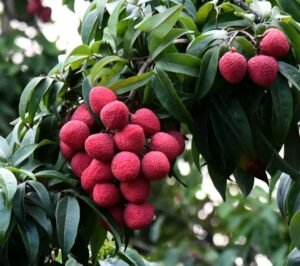
Tezpur’s GI-Tagged Litchis Reach International Markets: A Proud Moment for Assam
Heramba Nath
The recent export of litchis from Tezpur to international markets marks a historic milestone for Assam’s agricultural sector. Renowned for their sweetness, juicy pulp, attractive colour, and distinctive flavour, Tezpur’s litchis have long been a favourite among consumers across Assam and beyond. Their successful entry into global markets is not merely a commercial achievement; it is a matter of immense pride for the people of Assam and a testament to the state’s growing prominence in the horticultural sector.
Assam is widely celebrated for its tea, rich biodiversity, and fertile agricultural landscape. Yet, the state is also blessed with ideal conditions for cultivating a variety of fruits. Among these, litchi occupies a special place. The districts of Sonitpur, Biswanath, and neighbouring regions have been producing high-quality litchis for decades. Tezpur, in particular, has earned a reputation for producing some of the finest litchis in India.
One of the most significant recognitions received by Tezpur litchi is the Geographical Indication (GI) Tag, which has established it as a unique agricultural product and a source of immense pride for Assam. This recognition acknowledges the distinctive characteristics and superior quality of the fruit, which are closely linked to the climatic conditions and geographical features of the Tezpur region. The GI Tag not only protects the identity of Tezpur litchi but also enhances its market value and reputation. It showcases Assam’s rich agricultural heritage and highlights the uniqueness of its produce.
For generations, litchi cultivation has been an important source of livelihood for thousands of farming families. During the harvesting season, orchards and local markets come alive with the vibrant red fruit, attracting traders and buyers from different parts of the country. However, despite its popularity and exceptional quality, Tezpur’s litchi had not fully realised its potential in international markets.
The recent export of GI-tagged Tezpur litchis to foreign countries has changed that narrative. This achievement demonstrates that the fruit has successfully met stringent international standards relating to quality, safety, packaging, and transportation. It reflects the dedication of farmers, agricultural scientists, exporters, and government agencies who have worked together to bring Assam’s prized fruit to the global marketplace.
Several factors contribute to the exceptional quality of Tezpur’s litchis. The fertile alluvial soil, favourable humidity, adequate rainfall, and suitable temperature conditions create an ideal environment for cultivation. These natural advantages impart a distinctive sweetness and aroma that set Tezpur’s litchis apart from many other varieties grown elsewhere.
The growing global demand for fresh fruits has also played a role in creating export opportunities. Across the world, consumers are increasingly seeking nutritious and naturally grown foods. Litchi is rich in vitamin C, antioxidants, dietary fibre, and essential minerals, making it a healthy and appealing choice. As awareness of its nutritional value increases, demand for premium-quality litchis continues to grow in international markets.
Exporting fresh fruits, however, is a complex process. Fruits are highly perishable and require careful handling at every stage. Harvesting must be carried out at the right time, followed by sorting, grading, packaging, and transportation under controlled conditions. Any lapse in quality management can affect the fruit’s freshness and marketability.
To meet these challenges, significant improvements have been made in cultivation and post-harvest practices. Farmers have adopted scientific orchard management techniques, integrated pest management, improved irrigation methods, and better harvesting procedures. Training programmes and technical support have helped growers align their practices with international standards.
Equally important has been the development of modern post-harvest infrastructure. Advanced packaging techniques, cold storage facilities, and efficient transportation systems ensure that the fruits retain their freshness during long-distance travel. These improvements have played a crucial role in making exports possible.
Government support has also contributed significantly to this success. Various schemes aimed at promoting horticulture and agricultural exports have provided assistance in training, infrastructure development, quality certification, and market access. Such initiatives have empowered farmers to explore opportunities beyond domestic markets.
The export of Tezpur’s litchis is expected to bring substantial economic benefits to local farming communities. Access to international markets often translates into better prices and higher incomes. Increased earnings can improve the standard of living of farming families and encourage greater investment in orchard development and modern agricultural practices.
The benefits extend beyond individual farmers. The export supply chain creates employment opportunities in harvesting, sorting, packaging, transportation, cold storage, and marketing. As exports expand, they can contribute significantly to rural economic development and generate livelihoods for thousands of people.
This achievement also underscores the importance of agricultural diversification. While Assam’s tea industry remains globally renowned, expanding exports of fruits and other horticultural products can strengthen the state’s economy and reduce dependence on a limited number of commodities. Success in litchi exports can pave the way for other Assamese products such as pineapple, ginger, turmeric, black rice, and organic produce to enter international markets.
Another noteworthy aspect of this development is the enhancement of Assam’s image abroad. Every consignment of Tezpur litchis exported overseas serves as an ambassador of the state’s agricultural excellence. Positive consumer experiences create awareness and appreciation for Assam’s products, opening doors to new trade opportunities.
The success story of Tezpur’s litchis also serves as an inspiration for farmers across the state. It demonstrates that local products, when cultivated and marketed effectively, can compete successfully on the global stage. Such achievements encourage innovation, quality improvement, and greater confidence among agricultural producers.
As exports increase, environmental sustainability must remain a priority. Sustainable farming practices that conserve soil, water, and biodiversity will be essential for ensuring long-term productivity. Consumers worldwide are increasingly conscious of environmental issues, making sustainable agriculture not only an ecological necessity but also a market advantage.
Climate change presents additional challenges that require attention. Variations in temperature, rainfall, and weather patterns can affect flowering and fruit production. Continued research, innovation, and adaptation strategies will be crucial for safeguarding the future of litchi cultivation in Assam.
Branding and marketing will also play a key role in sustaining growth. The GI Tag provides a strong foundation for establishing Tezpur litchi as a premium global brand. Effective promotion can highlight the fruit’s unique qualities, geographical origin, and cultural significance, helping it secure a distinct position in international markets.
Beyond fresh fruit exports, there is considerable potential for value-added products such as litchi juice, pulp, jam, jelly, beverages, and confectionery. Such diversification can increase profitability, reduce post-harvest losses, and create additional employment opportunities.
The story of Tezpur’s GI-tagged litchis is ultimately a story of determination, innovation, and collective effort. Behind every exported fruit lies the hard work of farmers who nurture their orchards throughout the year. Their dedication, supported by scientific knowledge and institutional assistance, has transformed a locally cherished fruit into a product of international significance.
The export of Tezpur’s litchis should not be viewed as the culmination of a journey but rather as the beginning of a new era. Continued investment in infrastructure, research, training, and market development will be essential for maintaining momentum and expanding opportunities.
As Tezpur’s GI-tagged litchis reach consumers across the globe, they carry with them the rich agricultural heritage of Assam. They represent the aspirations of farming communities, the fertility of the state’s land, and the promise of a prosperous future. More than just a fruit, they have become a symbol of Assam’s potential and a source of pride for every Assamese citizen.
The successful export of Tezpur’s GI-tagged litchis stands as a remarkable achievement in Assam’s agricultural history. It reflects the state’s ability to produce world-class products and compete successfully in international markets. With sustained efforts and strategic vision, Tezpur’s litchis can become a globally recognised brand, bringing lasting benefits to farmers, communities, and the economy of Assam for generations to come.