
Dhanteras: Beyond Gold and Silver, a Celebration of Health, Hope and Prosperity
Every festival carries a story, but some carry a philosophy that becomes increasingly relevant with the passage of time. Dhanteras, the first day of the five day Diwali celebrations, is one such occasion. Across India, homes are cleaned, lamps are lit, markets come alive and families purchase gold, silver, utensils and other articles in the hope of inviting prosperity. Yet, beneath this familiar celebration of wealth lies a deeper message about the meaning of a good life. Dhanteras is not merely an occasion to acquire material possessions. It is a reminder that prosperity must begin with good health, gratitude and the wisdom to distinguish between wealth and well-being.
The word Dhanteras comes from two Sanskrit words, Dhan, meaning wealth, and Teras, referring to the thirteenth day of the lunar fortnight. It falls on the thirteenth lunar day of Krishna Paksha in the Hindu month of Kartik. The festival is also known as Dhantrayodashi. According to Hindu tradition, this day is associated with the emergence of Lord Dhanvantari from the churning of the cosmic ocean, Samudra Manthan, carrying a pot of amrita, the nectar of immortality. Dhanvantari is revered as the divine physician and the father of Ayurveda. His appearance gives Dhanteras a significance that extends far beyond the customary purchase of precious metals. It places health at the very foundation of prosperity.
This association deserves particular reflection in an age when material success is often mistaken for happiness. People work long hours, pursue demanding careers and accumulate wealth, sometimes at the cost of their physical and mental well-being. The story of Dhanvantari reminds us that wealth has little meaning when health is neglected. A person may possess expensive jewellery, a large house and financial security, but without good health, the ability to enjoy these blessings becomes severely limited. In that sense, the ancient tradition offers a lesson that modern society would do well to remember: health is not simply another form of wealth; it is the condition that allows all other forms of wealth to be enjoyed.
Dhanteras is also associated with Lord Kubera, the divine treasurer, who symbolises wealth and abundance. The worship of Kubera reflects the traditional Indian understanding that prosperity is not inherently undesirable. Wealth, when earned honestly and used responsibly, can improve lives, support families, create opportunities and contribute to society. The problem arises when the pursuit of wealth becomes an end in itself. Greed, extravagance and the desire to measure one’s worth through possessions can turn prosperity into a source of anxiety. Dhanteras should therefore encourage not merely the accumulation of wealth but also the cultivation of financial discipline, generosity and responsible living.
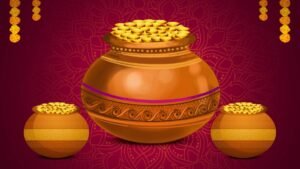
The custom of purchasing gold and silver on this day has become deeply embedded in India’s cultural and economic life. Jewellery shops witness considerable activity, while purchases of coins, utensils and household goods are considered auspicious. For many families, buying gold is not simply a festive indulgence. It represents savings, security and an asset that can be passed from one generation to another. In a country where gold has traditionally played an important role in household finances, Dhanteras also reflects the relationship between culture, consumption and economic behaviour. However, the festival need not become an occasion for competitive spending. Its spirit can be preserved through modest purchases made according to one’s means. True prosperity does not require a family to enter debt merely to fulfil a social expectation.
Another important tradition associated with Dhanteras is the lighting of a lamp in the evening, often dedicated to Lord Yama, the god of death. This ritual, commonly known as Yama Deepam, is performed with the belief that it protects the household from untimely death. The symbolism is profound. While the festival celebrates wealth and abundance, it also acknowledges the fragility of human existence. Life is uncertain, and no amount of material possession can offer complete control over the future. The lamp becomes a symbol of hope, protection and the human desire to overcome darkness through faith.
The deeper significance of Dhanteras also lies in its emphasis on renewal. The cleaning and preparation of homes before Diwali represent the removal of disorder and the welcoming of positive beginnings. This idea can be extended beyond our homes. It is an invitation to examine our habits, relationships and priorities. We can use the occasion to discard resentment, repair broken relationships, help those in need and bring greater discipline into our lives. A festival becomes meaningful when its rituals inspire changes in everyday conduct.
There is also a wider social dimension to the celebration. The festive season provides livelihood to artisans, goldsmiths, small traders, potters, craftsmen and countless others whose work sustains local economies. Choosing locally made products and supporting traditional crafts can make festive spending more inclusive. Prosperity acquires greater meaning when it is shared rather than confined to individual households.
Ultimately, Dhanteras asks us to reconsider what it means to be wealthy. Gold may retain its value, silver may shine and material possessions may offer comfort, but none can substitute for health, peace of mind, meaningful relationships and compassion. The ancient association with Dhanvantari is perhaps the festival’s most enduring message. Before praying for greater wealth, we must learn to value the gift of life itself. As lamps illuminate homes on Dhanteras, may they also illuminate a simple truth: the richest life is not necessarily the one that possesses the most, but the one that has learnt to value what truly matters.
Siddharth Roy
Guwahati, Assam