
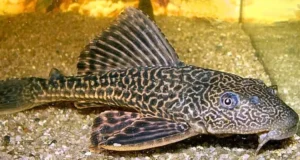
Indigenous Fish Species of Assam Facing Extinction: An Ecological Warning for the Future
Heramba Nath
Assam, enriched by the mighty Brahmaputra and Barak river systems along with countless tributaries, wetlands, beels, marshes, ponds, floodplain ecosystems, and paddy-field water bodies, has traditionally been regarded as one of the richest freshwater biodiversity regions of India. For centuries, the rivers and wetlands of Assam supported a remarkable variety of indigenous fish species and freshwater organisms that formed an inseparable part of the state’s ecology, economy, food culture, and rural traditions. Fish and other aquatic species have always occupied a special place in Assamese society, where traditional communities depended upon freshwater ecosystems for nutrition, livelihood, cultural identity, and ecological balance.
However, the ecological balance that once sustained abundant aquatic life is now facing severe disruption. Many indigenous fish species and freshwater organisms that were once commonly found in village ponds, paddy fields, canals, streams, wetlands, floodplain lakes, and seasonal floodwaters are gradually disappearing from their natural habitats. The alarming decline of native aquatic biodiversity has emerged as a major environmental concern in Assam, reflecting the broader ecological crisis affecting rivers, wetlands, forests, and freshwater ecosystems across the region.
Several indigenous fish species and freshwater organisms are now becoming increasingly rare. Among them are Chanda (Chanda nama), Becha or Bacha (Eutropiichthys vacha), Botela or Botia (Botia dario), Bami (Mastacembelus armatus), Panimutura or freshwater mud eel (Monopterus cuchia), Ghumaikhati (Lepidocephalichthys guntea), Tingira (Mystus tengara), Tora (Macrognathus pancalus), Gangatop (Bagarius bagarius), Cheng or Chenga (Channa amphibeus), Goroi (Channa striata), Magur (Clarias batrachus), Kawoi or Koi (Anabas testudineus), Singhi (Heteropneustes fossilis), Dorikona (Esomus danricus), Puthi (Puntius sophore), Khalihona (Trichogaster fasciata), and freshwater crabs belonging to the family Potamidae. Many of these species were once abundantly available in local fish markets, wetlands, village ponds, and paddy-field ecosystems but are now rarely seen.
Older generations in rural Assam still remember a time when wetlands, streams, and paddy fields were naturally filled with diverse aquatic life during the monsoon season. Small indigenous fish species entered flooded agricultural lands for breeding and feeding, while village ponds, canals, marshes, and streams supported thriving aquatic ecosystems throughout the year. Rural children could easily identify different fish species by their local names, appearance, behaviour, and seasonal availability. Today, however, many young people have never seen several of these indigenous species in their natural habitats.
The disappearance of indigenous fish species is closely connected with the gradual destruction of Assam’s traditional wetland ecosystems. Wetlands, beels, marshes, floodplains, and natural drainage channels are shrinking rapidly because of encroachment, urban expansion, road construction, deforestation, sand mining, and unplanned developmental activities. Many water bodies that once served as ideal breeding and feeding grounds for fish are either drying up or becoming heavily polluted.
The construction of embankments, roads, culverts, and artificial barriers across rivers and wetlands has further disrupted the natural migration routes of fish. During earlier times, monsoon floodwaters allowed fish to move freely between rivers, wetlands, canals, ponds, and paddy fields. Such natural seasonal migration played a crucial role in breeding and maintaining fish populations. Today, however, the interruption of these ecological pathways has significantly affected fish reproduction and long-term survival.
Water pollution has emerged as another major threat to aquatic biodiversity in Assam. The excessive use of chemical fertilisers, pesticides, herbicides, and insecticides in agricultural activities has severely contaminated rivers, wetlands, ponds, and agricultural water bodies. During rainfall and floods, these harmful chemicals are washed into nearby rivers and wetlands, poisoning fish and damaging aquatic ecosystems. Fish eggs, larvae, juvenile fish, aquatic insects, and microscopic organisms are especially vulnerable to such toxic contamination.
Alongside agricultural pollution, increasing industrialisation has intensified the ecological crisis. Toxic industrial effluents, untreated industrial waste, oil residues, chemical discharge, sewage, and urban waste released from factories, industries, and commercial establishments are polluting rivers and wetlands at an alarming rate. Many indigenous fish species are highly sensitive to changes in water quality and cannot survive in chemically polluted environments.
Polluted water reduces dissolved oxygen levels and creates unhealthy conditions for aquatic life. Such contamination damages breeding habitats, affects fish metabolism, weakens reproductive capacity, and increases mortality among fish populations. As a result, several native fish species are steadily declining from their natural ecosystems.
Plastic pollution has further aggravated the condition of rivers and wetlands. Discarded plastic materials, polythene waste, bottles, household garbage, and non-biodegradable waste are increasingly entering aquatic ecosystems, blocking water channels and degrading fish habitats. The accumulation of waste in wetlands and drainage systems affects water circulation and contributes to ecological degradation.
Destructive and illegal fishing practices have also accelerated the decline of indigenous fish populations. In many areas, fine-mesh nets are widely used to catch even the smallest fish before they attain maturity. Such indiscriminate fishing prevents fish from reproducing naturally and weakens future populations. Some individuals also use poison, pesticides, chemicals, and electric current for mass fish harvesting, causing severe ecological destruction.
These harmful practices not only kill adult fish but also destroy fish eggs, aquatic insects, plankton, freshwater crabs, and several other organisms essential for maintaining ecological balance. Continuous exploitation without proper conservation measures has pushed many indigenous fish species towards the risk of local extinction.
Mechanised agriculture has emerged as another significant factor contributing to the disappearance of indigenous fish species. Earlier, traditional farming methods using bullocks and manual ploughing allowed aquatic organisms to survive within paddy-field ecosystems. Seasonal waterlogged fields served as temporary breeding and feeding grounds for numerous indigenous fish species during the monsoon months.
However, the increasing use of tractors and power tillers has drastically altered this ecological relationship. Deep mechanical ploughing disturbs the muddy bottoms of paddy fields where fish eggs and larvae often remain hidden. Juvenile fish and aquatic organisms are frequently destroyed during mechanised cultivation. Continuous soil disturbance and drainage modification have reduced the natural ecological connection between wetlands and agricultural lands.
Modern mechanised farming is also closely associated with increased use of chemical fertilisers, pesticides, and herbicides, which further contaminate nearby water bodies. As agriculture becomes more intensive and commercialised, the traditional ecological harmony between farming and freshwater biodiversity is gradually disappearing from rural Assam.
Climate change has added another layer of ecological stress to freshwater ecosystems. Irregular rainfall patterns, rising temperatures, prolonged droughts, sudden floods, and unpredictable weather conditions are disrupting natural breeding cycles of indigenous fish species. Many fish species evolved within relatively stable ecological conditions over centuries and are now struggling to adapt to rapidly changing environmental conditions.
River erosion and sedimentation also play an important role in damaging aquatic habitats. Large-scale soil erosion along riverbanks increases sediment accumulation in wetlands and shallow water bodies, affecting water depth, aquatic vegetation, and breeding grounds necessary for fish survival. The degradation of riparian ecosystems further weakens the ecological resilience of rivers and wetlands.
The growing popularity of exotic and commercially profitable fish species has also contributed to the neglect of indigenous varieties. Many fish farmers prefer fast-growing non-native fish because they provide quicker economic returns. Consequently, indigenous fish species receive less attention in fishery development programmes and aquaculture systems. In some cases, invasive exotic fish species compete directly with native species for food, habitat, and breeding space, further threatening local biodiversity.
The disappearance of indigenous fish species is not merely an ecological issue; it also represents a cultural, social, nutritional, and economic loss for Assamese society. Traditional Assamese cuisine has long been closely associated with local freshwater fish varieties. Several indigenous fish species are rich in proteins, calcium, vitamins, iron, and micronutrients essential for rural nutrition. Their gradual disappearance affects food diversity, nutritional security, traditional culinary heritage, and the livelihoods of rural fishing communities.
Indigenous fish also play a crucial role in maintaining ecological balance within freshwater ecosystems. They help regulate insect populations, maintain aquatic food chains, support wetland health, and contribute to overall biodiversity stability. The extinction of such species may create ecological imbalances that could eventually affect agriculture, water quality, public health, and environmental sustainability.
Protecting indigenous fish species therefore requires urgent and collective action. Conservation of wetlands, ponds, rivers, marshes, floodplain ecosystems, and paddy-field water bodies must become a major environmental priority. Illegal encroachment, pollution, habitat destruction, and destructive fishing practices should be strictly controlled through effective environmental laws and stronger implementation mechanisms.
Authorities must take strict action against illegal fishing methods, particularly during breeding seasons. The use of poison, electric current, explosives, pesticides, and illegal fishing nets should be prohibited and monitored effectively. Fish breeding sanctuaries, protected aquatic zones, community wetland reserves, and wetland conservation projects should be established in ecologically sensitive areas across Assam.
Public awareness is equally important for successful conservation efforts. Educational institutions, environmental organisations, fisheries departments, village communities, and civil society groups should work together to spread awareness regarding the ecological importance of indigenous fish species and freshwater biodiversity. Traditional ecological knowledge possessed by fishermen and rural communities should also be documented, respected, and preserved for future generations.
Scientific research, fish hatchery development, wetland restoration, biodiversity surveys, and community-based conservation initiatives can play an important role in reviving declining fish populations. Indigenous fish farming should be encouraged through financial support, technical assistance, and sustainable aquaculture policies. Conservation strategies should focus not only on economic benefits but also on ecological sustainability and biodiversity protection.
The gradual disappearance of Chanda (Chanda nama), Becha (Eutropiichthys vacha), Botela (Botia dario), Bami (Mastacembelus armatus), Panimutura (Monopterus cuchia), Ghumaikhati (Lepidocephalichthys guntea), Tingira (Mystus tengara), Tora (Macrognathus pancalus), Gangatop (Bagarius bagarius), Cheng (Channa amphibeus), Goroi (Channa striata), Magur (Clarias batrachus), Kawoi (Anabas testudineus), Singhi (Heteropneustes fossilis), Dorikona (Esomus danricus), Puthi (Puntius sophore), Khalihona (Trichogaster fasciata), freshwater crabs, and numerous other indigenous aquatic species serves as a warning signal for society. It reflects the growing environmental imbalance created by pollution, habitat destruction, industrialisation, unsustainable agricultural practices, mechanised farming, climate change, and human negligence.
Safeguarding indigenous fish species is therefore not only essential for protecting biodiversity but also necessary for preserving Assam’s ecological heritage, rural traditions, food culture, wetland ecosystems, and environmental stability for future generations. The survival of these native aquatic species is closely connected with the survival of rivers, wetlands, forests, agricultural ecosystems, and the broader natural environment upon which human life itself ultimately depends.