Menstrual Hygiene Day: Breaking Silence, Building Dignity, and Ensuring Health for All
Heramba Nath
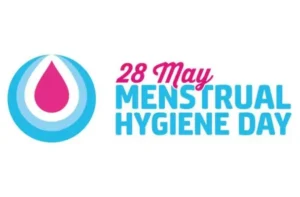
Menstrual Hygiene Day is observed every year on 28 May across the world to raise awareness about menstruation, menstrual hygiene management, and the importance of ensuring dignity, health, and equality for women and girls. Though menstruation is a completely natural biological process, millions of women and adolescent girls still face stigma, misinformation, social restrictions, and lack of access to proper hygiene facilities. Menstrual Hygiene Day therefore stands not merely as an awareness campaign but as a global movement for health, education, gender equality, and human dignity.
Menstruation is a normal physiological process experienced by nearly half of the world’s population for a significant portion of their lives. Yet, despite its naturalness, menstruation has long been surrounded by silence and shame in many societies. Cultural taboos, myths, and discriminatory practices have prevented open discussions on menstrual health. In several communities, girls are taught to hide their periods, avoid participation in social or religious activities, and remain silent about their physical discomfort. This silence often results in poor menstrual hygiene practices, increased risk of infections, emotional distress, school absenteeism, and social exclusion.
Menstrual Hygiene Day seeks to challenge these barriers by encouraging education, awareness, and policy changes. The day reminds society that menstruation should not be a source of embarrassment but should be recognised as a matter of health, dignity, and human rights. It also highlights the urgent need for access to affordable sanitary products, clean water, safe sanitation facilities, and proper health education.
The date, 28 May, carries symbolic significance. Menstrual cycles average 28 days, and menstruation commonly lasts around five days each month. The observance was initiated by the German-based organisation WASH United in 2014 with support from global partners working in health, education, sanitation, and women’s empowerment. Since then, the movement has expanded worldwide, involving governments, schools, healthcare workers, civil society organisations, and youth groups.
One of the most important aspects of Menstrual Hygiene Day is promoting awareness among adolescents. Many girls experience menstruation for the first time without adequate information or preparation. In some areas, discussions about menstruation are considered inappropriate, and girls grow up with fear and confusion regarding their own bodies. Lack of proper guidance can lead to unhygienic practices such as using unclean cloths, ashes, sand, or other unsafe materials during menstruation. These practices may cause infections, reproductive health problems, and psychological stress.
Comprehensive menstrual education is therefore essential. Schools, families, and healthcare institutions must provide scientifically accurate and age-appropriate information about menstruation. Girls should understand that menstruation is a normal sign of reproductive health and not a disease or curse. Boys should also receive education about menstruation so that they grow up with empathy and respect instead of prejudice and mockery. Including menstrual health in school curricula can help remove shame and encourage healthy attitudes from an early age.
Menstrual hygiene management involves using clean menstrual products, changing them regularly, maintaining personal cleanliness, and having access to safe sanitation facilities. However, millions of women worldwide lack these basic necessities. Poverty remains a major obstacle. Many families cannot afford sanitary pads or menstrual products, especially in low-income and rural areas. This condition, often described as “period poverty,” forces girls and women to rely on unsafe alternatives or remain absent from schools and workplaces during menstruation.
Period poverty is not merely an economic issue; it is deeply connected with social inequality and gender injustice. When girls miss school because of menstruation, their education suffers. Repeated absenteeism increases the likelihood of dropping out. Lack of education later affects employment opportunities, financial independence, and overall empowerment. Thus, ensuring menstrual hygiene is directly linked to achieving gender equality and social development.
In many schools, particularly in developing regions, toilets lack privacy, running water, disposal systems, or separate sanitation facilities for girls. Without proper infrastructure, managing menstruation becomes difficult and humiliating. Some girls prefer to stay home during their periods rather than face embarrassment or discomfort at school. Menstrual Hygiene Day therefore emphasises the importance of improving water, sanitation, and hygiene facilities in schools and public institutions.
Healthcare workers and community health programmes play a crucial role in spreading menstrual awareness. Frontline health workers, nurses, ASHA workers, and MPHWs often serve as trusted sources of information in rural communities. Through counselling, awareness camps, adolescent health programmes, and community meetings, they can help dismantle myths and encourage hygienic practices. Public health systems must also ensure the availability of affordable menstrual products and reproductive healthcare services.
Another important issue associated with menstruation is the social stigma surrounding it. In many societies, menstruating women are prohibited from entering kitchens, temples, or places of worship. Some are isolated from family members or denied participation in social events. Such discriminatory practices can negatively affect mental health and self-esteem. Menstrual Hygiene Day calls upon society to reject these harmful customs and promote respect, inclusion, and dignity for menstruating individuals.
The role of families is extremely significant in creating supportive environments. Mothers often become the first source of information for daughters, but fathers and male family members must also contribute to open and respectful conversations. When menstruation is discussed naturally within families, girls feel less ashamed and more confident in seeking support when needed.
Media and digital platforms have also become powerful tools for menstrual awareness. Social campaigns, educational videos, documentaries, and online discussions have helped break long-standing silence around periods. Celebrities, activists, doctors, teachers, and young influencers increasingly use their voices to advocate menstrual equity and challenge taboos. Such visibility contributes to normalising conversations about menstruation in public spaces.
Environmental concerns related to menstrual products are another growing issue. Disposable sanitary pads contain plastic and non-biodegradable materials that contribute to environmental pollution. Improper disposal methods can block drainage systems and create waste management problems. As awareness grows, many women are exploring sustainable alternatives such as reusable cloth pads, menstrual cups, and biodegradable sanitary products. Menstrual Hygiene Day also encourages discussions about environmentally responsible menstrual management while ensuring safety and affordability.
Government policies and institutional support are essential for sustainable progress. Many countries have introduced menstrual hygiene schemes, free sanitary pad distribution, tax reductions on menstrual products, and awareness campaigns in schools. In India, several initiatives under the health and education sectors aim to improve menstrual hygiene among adolescent girls. However, challenges remain in implementation, accessibility, and awareness, especially in remote and economically disadvantaged communities.
Rural areas often face additional barriers due to lack of healthcare access, conservative social attitudes, and limited sanitation infrastructure. In such contexts, community-based awareness programmes become particularly important. Local leaders, teachers, healthcare workers, and women’s groups can collectively create positive change by encouraging open discussions and supporting girls’ health needs.
Menstrual health is also closely linked to mental and emotional well-being. Many girls experience anxiety, embarrassment, or fear associated with menstruation, especially when they lack support or information. Conditions such as severe menstrual pain, irregular periods, or premenstrual emotional distress often remain untreated because of social silence. Encouraging healthcare consultations and normalising discussions about menstrual health can improve both physical and psychological well-being.
Menstrual Hygiene Day is not only about women and girls; it is about society as a whole. A community that respects menstrual health respects human dignity. Menstrual awareness should involve men, educators, policymakers, healthcare professionals, media, and religious leaders. Collective participation is necessary to remove discrimination and ensure equal opportunities for all.
Educational institutions have a special responsibility in promoting menstrual hygiene. Schools should provide accurate health education, accessible toilets, disposal facilities, emergency sanitary products, and supportive environments for students. Teachers should be trained to address menstrual health sensitively and confidently. Schools that openly discuss menstruation help students grow into informed and compassionate individuals.
Workplaces must also recognise menstrual health needs. Women employees should have access to clean sanitation facilities, disposal systems, and supportive workplace policies. Discussions around menstrual leave and workplace comfort continue in many countries, reflecting growing recognition of menstrual health as part of occupational well-being.
The COVID-19 pandemic further highlighted menstrual inequalities. Lockdowns disrupted supply chains, reduced access to sanitary products, and interrupted school-based distribution programmes. Many girls and women from economically vulnerable families faced serious difficulties in managing menstruation safely. This experience demonstrated the importance of including menstrual hygiene in emergency response and public health planning.
Another important dimension of menstrual awareness involves inclusivity. While menstruation is commonly associated with women and girls, transgender men and non-binary individuals may also menstruate. Respectful and inclusive language, policies, and healthcare services are therefore important in ensuring dignity and support for everyone who menstruates.
Scientific understanding of menstruation should replace myths and misconceptions. Menstruation does not make a person impure, weak, or incapable. Menstruating individuals can participate fully in education, sports, religious activities, work, and social life. The persistence of myths often reflects broader gender inequalities that limit women’s freedom and opportunities. By addressing menstrual stigma, societies also challenge deeper forms of discrimination.
Menstrual Hygiene Day serves as a reminder that access to menstrual hygiene is a basic human right. Every individual deserves access to safe menstrual products, clean sanitation, accurate information, healthcare support, and an environment free from shame and discrimination. Denying these essentials affects health, education, safety, and dignity.
Communities that invest in menstrual health invest in public health and social progress. When girls can attend school confidently during menstruation, educational outcomes improve. When women can manage menstruation safely and comfortably, workplace participation and productivity increase. When society speaks openly about menstruation, harmful stereotypes begin to disappear.
The observance of Menstrual Hygiene Day has gradually transformed public conversations across the globe. What was once hidden behind silence is now increasingly recognised as an important social and health issue. Yet awareness alone is not enough. Real progress requires continued action, policy implementation, healthcare investment, educational reform, and community participation.
Young people hold tremendous power in shaping future attitudes. Adolescents who receive accurate information and grow up in supportive environments are more likely to challenge stigma and advocate equality. Youth-led campaigns, peer education programmes, and student discussions can contribute significantly to changing societal mindsets.
Religious and cultural leaders can also play constructive roles by promoting compassion, dignity, and scientific understanding. Traditions and beliefs should evolve in ways that protect health and human rights rather than reinforce discrimination or exclusion.
The healthcare sector must strengthen menstrual health services by integrating menstrual education into reproductive health programmes, adolescent health initiatives, and community outreach activities. Medical professionals should encourage open communication regarding menstrual disorders and provide accessible treatment and counselling.
Media representation matters deeply in shaping public perception. Responsible media coverage can normalise menstruation and highlight real challenges faced by women and girls. Films, literature, journalism, and social campaigns that address menstrual health contribute to broader social acceptance and awareness.
The journey toward menstrual equity requires breaking centuries of silence and prejudice. It demands empathy, education, infrastructure, and policy commitment. Above all, it requires recognising that menstruation is a natural part of life and should never become a reason for shame, exclusion, or disadvantage.
Menstrual Hygiene Day therefore stands as a symbol of dignity, awareness, equality, and empowerment. It reminds humanity that health and respect must be accessible to everyone, regardless of gender, economic status, or social background. By creating informed communities, improving sanitation and healthcare, supporting affordable menstrual products, and encouraging open dialogue, societies can ensure that no individual is held back because of menstruation.
A future where menstruation is discussed without embarrassment, managed safely and hygienically, and supported with dignity is not merely an ideal vision but a necessary goal for a just and healthy society. Menstrual Hygiene Day continues to inspire that transformation by giving voice to millions and encouraging the world to replace silence with understanding, stigma with compassion, and inequality with dignity.