
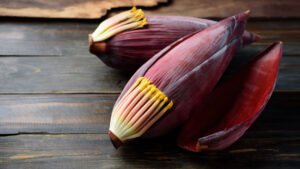
Banana Blossom: Nature’s Hidden Treasure
Heramba Nath
Among the many gifts of nature, the banana plant occupies a unique place because almost every part of it is useful to human beings. The fruit is widely consumed, the leaves are used for serving food and in religious ceremonies, the stem is eaten as a vegetable, and even the roots have medicinal value. One of the most remarkable yet often overlooked parts of the banana plant is the banana blossom, commonly known as the banana flower. The large, purple-red flower bud hanging beneath a bunch of bananas is not only attractive in appearance but also rich in nutrients and health benefits. For centuries, banana blossoms have been an important part of traditional cuisines and folk medicine in many Asian countries, including India.
The banana blossom is the flowering part of the banana plant. It is covered with layers of deep purple bracts that protect rows of delicate flowers inside. As the flower develops, these flowers eventually grow into bananas. While many people are familiar with the fruit, fewer realise that the blossom itself is highly nutritious and can be cooked into a variety of delicious dishes. In Assam and other parts of India, banana blossom is used to prepare curries, stir-fries, fritters, soups, and traditional delicacies.
One of the most important qualities of banana blossom is its exceptional nutritional value. It contains dietary fibre, protein, essential vitamins, and important minerals such as potassium, calcium, magnesium, iron, and phosphorus. It is also rich in antioxidants, which help protect the body from damage caused by harmful free radicals. Since it is low in calories and high in nutrients, banana blossom is considered an excellent food for maintaining overall health and well-being.
Banana blossom is particularly beneficial for digestive health. The high fibre content helps improve digestion and promotes regular bowel movements. It prevents constipation and supports the growth of beneficial bacteria in the digestive system. A healthy digestive system is essential for the proper absorption of nutrients, and banana blossom contributes significantly to this process. Regular consumption can help maintain gut health and reduce the risk of various digestive disorders.
Another notable benefit of banana blossom is its role in preventing anaemia. Iron is a crucial mineral required for the production of haemoglobin in red blood cells, which carries oxygen throughout the body. A deficiency of iron can lead to fatigue, weakness, and anaemia. Banana blossom contains a good amount of iron and can therefore contribute to maintaining healthy blood levels. This makes it especially valuable for women and adolescents, who are often more vulnerable to iron deficiency.
Banana blossom is also known for its potential role in managing diabetes. Dietary fibre slows down the absorption of sugar into the bloodstream, helping to maintain stable blood glucose levels. As a result, banana blossom can be a useful addition to a balanced diet for people seeking to control their blood sugar levels. Although it is not a substitute for medical treatment, its nutritional properties make it a beneficial natural food for supporting metabolic health.
Heart health is another area where banana blossom offers significant advantages. The potassium present in the blossom helps regulate blood pressure by balancing sodium levels in the body. Maintaining healthy blood pressure reduces the risk of heart disease and stroke. Furthermore, the antioxidants found in banana blossom help reduce inflammation and oxidative stress, both of which are linked to cardiovascular problems.
Traditional medicine systems have long recognised the health-promoting properties of banana blossom. In many communities, it has been used to support women’s health, particularly during menstruation and after childbirth. It is believed to help ease menstrual discomfort and support recovery after delivery. In some cultures, banana blossom is also consumed to promote lactation in nursing mothers. While scientific research continues to explore these traditional claims, the nutritional richness of banana blossom undoubtedly contributes to its reputation as a valuable health food.
The immune system also benefits from the regular consumption of banana blossom. Vitamins, minerals, and antioxidants work together to strengthen the body’s natural defence mechanisms. A strong immune system is essential for fighting infections and maintaining good health. As modern lifestyles increasingly expose people to stress, pollution, and unhealthy dietary habits, natural foods like banana blossom can play an important role in supporting immunity.
Beyond its nutritional and medicinal value, banana blossom is also environmentally sustainable. Banana plants grow abundantly in tropical and subtropical regions and require relatively modest resources compared to many commercial crops. Utilising the blossom as food helps reduce waste and encourages a more sustainable approach to agriculture. In an age when food security and environmental conservation are major global concerns, making full use of plant resources is both practical and responsible.
The cultural significance of the banana plant further enhances the importance of the banana blossom. In many parts of India, the banana plant symbolises prosperity, fertility, and purity. Banana leaves and stems are commonly used during religious ceremonies, weddings, and festivals. The blossom, as an integral part of the plant, shares in this cultural heritage and reflects the deep connection between traditional knowledge, agriculture, and everyday life.
Despite its numerous advantages, banana blossom remains underutilised in many places. Modern dietary habits often favour processed foods over traditional natural foods. As a result, younger generations may be unaware of its nutritional and culinary value. Promoting awareness about its benefits can encourage healthier eating habits and help preserve valuable traditional food practices.
Educational institutions, health organisations, and community groups can contribute to increasing awareness about banana blossom and other indigenous food resources. Including such foods in nutritional programmes and public health campaigns can help address issues such as malnutrition, iron deficiency, and lifestyle-related diseases. Encouraging local farmers to cultivate and market banana blossoms can also create additional sources of income and support rural livelihoods.
In recent years, there has been growing global interest in plant-based diets and functional foods. Banana blossom fits perfectly into this trend because it is nutritious, versatile, affordable, and environmentally friendly. Chefs and food enthusiasts around the world are increasingly experimenting with banana blossom in innovative recipes, highlighting the immense potential of a traditional food that has long been valued by local communities.
The banana blossom is far more than a flower. It is a rich natural remedy, an environmentally sustainable resource, and a symbol of cultural heritage. Its impressive content of fibre, vitamins, minerals, and antioxidants makes it an excellent addition to a healthy diet. At a time when people are searching for natural ways to improve health and well-being, the banana blossom offers a simple yet effective solution.
As society moves towards greater awareness of nutrition, sustainability, and traditional knowledge, the banana blossom deserves wider recognition. By incorporating this remarkable natural resource into our daily diets, we can enjoy its many health benefits while preserving a valuable part of our agricultural and cultural heritage. Truly, the banana blossom is one of nature’s hidden treasures, waiting to be fully appreciated and utilised.