
National Deworming Day: A Small Pill with a Big Promise for India’s Children
Siddharth Roy
Civil Engineer, Writer and Columnist
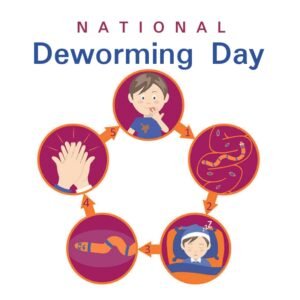
National Deworming Day is observed in India with a simple but powerful goal: to protect children from intestinal worm infections that quietly damage health, learning and future potential. Launched in 2015 by the Government of India, this nationwide programme targets children and adolescents between the ages of 1 and 19 years, especially those in vulnerable and high-risk groups. Though it may not attract daily headlines, National Deworming Day is one of the country’s most important public health initiatives, addressing a problem that affects millions of Indian children.
Intestinal worm infections, caused mainly by roundworm, hookworm and whipworm, are widespread in tropical countries like India where sanitation challenges still exist. These parasites thrive in environments with poor hygiene, unsafe drinking water and open defecation. Children are the most affected because they play on the ground, often walk barefoot and may not always follow proper hygiene practices. Once infected, worms steal nutrients from the body, leading to anaemia, malnutrition, stunted growth, fatigue and reduced immunity. Over time, these infections affect not only physical health but also school attendance, attention span and academic performance.
National Deworming Day aims to break this cycle. On designated days, children in schools, anganwadis and other child care institutions are given a single dose of albendazole, a safe and effective medicine recommended by the World Health Organization. The treatment is simple, low-cost and does not require prior testing. By repeating the programme twice a year, India seeks to reduce the overall worm burden and prevent re-infection in high-risk areas.
The scale of the programme is remarkable. India’s deworming drive is among the largest in the world, reaching hundreds of millions of children each year. Teachers, anganwadi workers, ASHAs and health staff work together to ensure that the medicine reaches children in both urban and rural areas. This coordinated effort reflects an understanding that child health is not just a medical issue but a national priority requiring community participation.
The benefits of deworming go beyond immediate health gains. Healthier children attend school more regularly, perform better academically and have more energy to learn and play. Studies have shown that deworming can improve nutritional status, reduce anaemia and enhance cognitive development. In the long run, these improvements translate into a healthier, more productive workforce. In this sense, National Deworming Day is an investment in India’s human capital and future growth.
However, deworming alone is not enough. Worm infections are closely linked to sanitation and hygiene. Without clean toilets, safe water and good hygiene practices, re-infection remains a risk. This is why National Deworming Day is closely aligned with broader initiatives such as Swachh Bharat Abhiyan, Jal Jeevan Mission and school-based health and nutrition programmes. Teaching children simple habits like washing hands with soap, wearing footwear and using toilets properly is as important as administering the tablet itself.
Public awareness is another crucial factor. Misinformation and fear about side effects can sometimes lead to hesitation among parents. In reality, albendazole is widely used across the world and is considered safe, with only mild and temporary side effects in a small number of cases. Clear communication by health workers and teachers helps build trust and ensures higher coverage.
The programme also highlights the importance of preventive healthcare. Too often, health systems focus only on treatment after illness occurs. National Deworming Day shifts the focus to prevention, recognising that simple, timely interventions can prevent long-term damage. This approach is especially relevant for children from economically weaker sections, who are more exposed to health risks but have limited access to medical care.
As India moves towards its goal of becoming a developed nation, child health and nutrition must remain central to policy priorities. Initiatives like National Deworming Day remind us that progress is not measured only in infrastructure or economic indicators, but also in how well we protect our youngest citizens. Ensuring that every child grows up healthy, well-nourished and capable of learning is essential for inclusive development.
National Deworming Day may involve just a small tablet, but its impact is far-reaching. By reducing disease, improving learning outcomes and promoting healthy habits, it quietly strengthens the foundation of the nation. Continued political commitment, community participation and integration with sanitation and nutrition programmes will determine its long-term success. In the end, a worm-free childhood is not just a health goal—it is a promise of a stronger, healthier India.